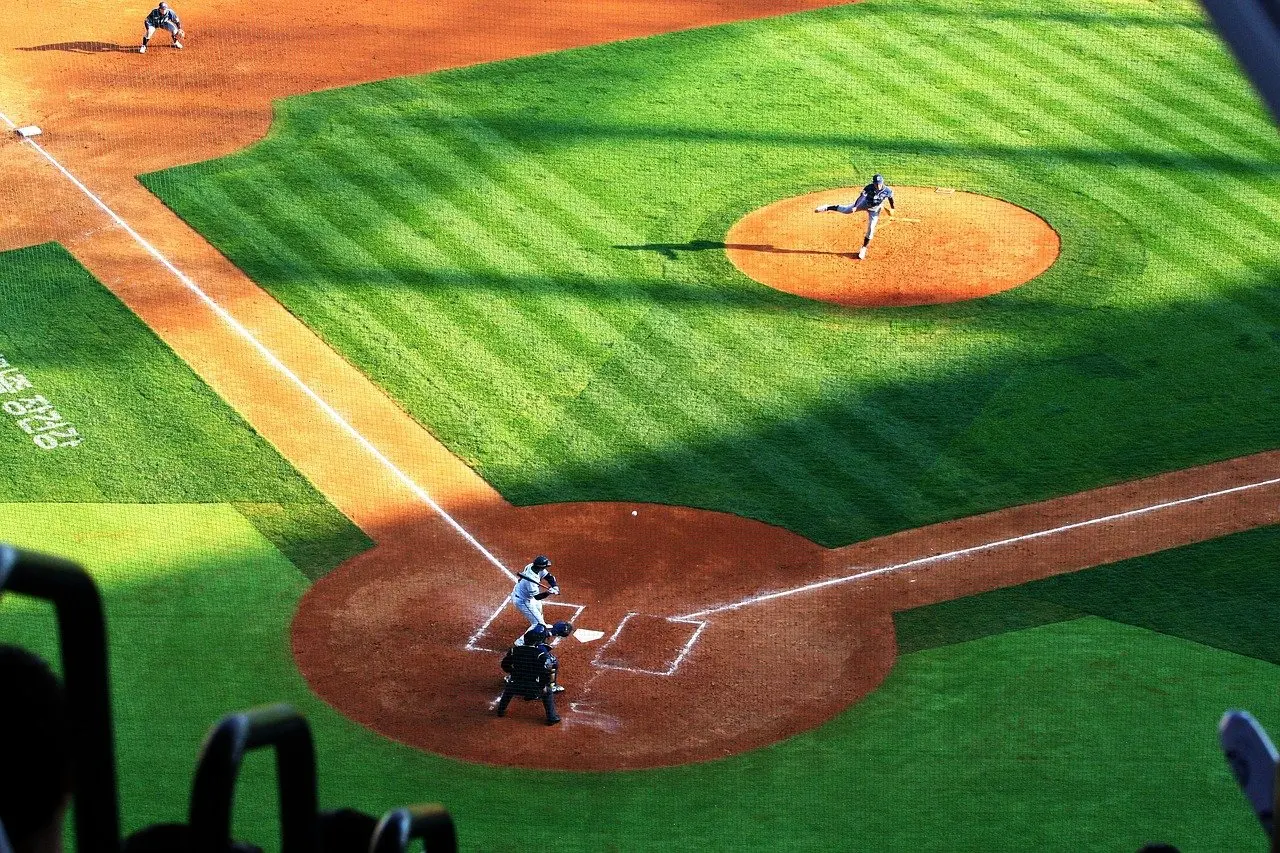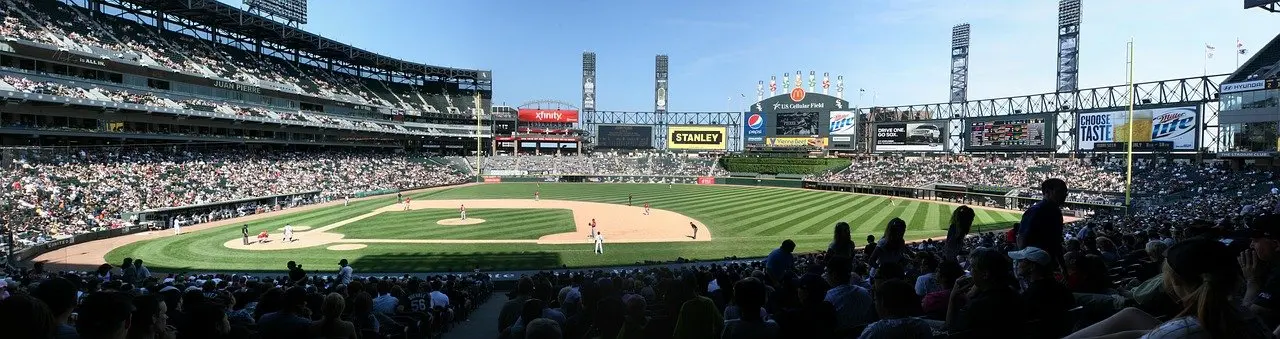
A tied game after regulation no longer begins the next inning with an empty diamond. Under the mlb extra innings rule, a runner starts each extra inning on second base in regular-season games, and that repeats until one team wins.
The rule covers regular-season play only. For the October format, the Baseball hub answers how does the mlb postseason work.
How the automatic runner works
The automatic runner, often nicknamed the ghost runner, is a baserunner placed on second base before the first batter of an extra inning. It is not a player who earned his way aboard. It is a starting condition of the inning. ESPN reports that the rule applies in all regular-season extra-inning games, which makes it a standing part of the game rather than an occasional experiment.
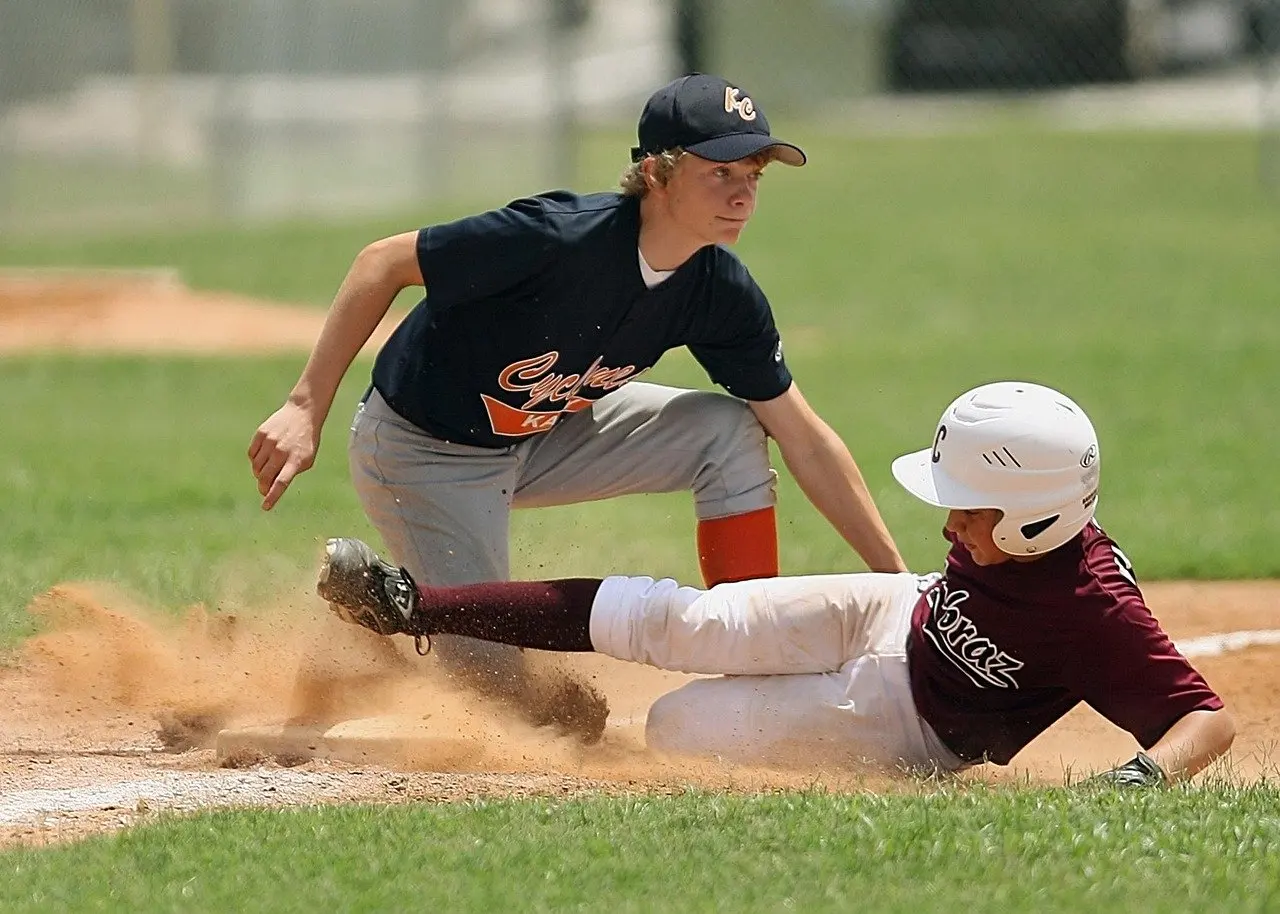
Three common misunderstandings
- “It only affects the first extra inning.” The runner returns in every subsequent extra inning until a winner is determined, according to ESPN’s report on the rule remaining.
- “It only applies in special games.” ESPN describes it as applying in all regular-season extra-inning games, with no carve-out for particular matchups.
- “The bases start crowded.” Only one base is occupied. Fox Sports notes that the inning starts with first base open, and that open base is what shapes much of the strategy covered below.
When the runner stops appearing
The runner does not fade after a fixed number of innings. The same setup repeats for every extra inning, so a long game restarts with a runner on second base each time. That keeps the contest from drifting back to the empty-diamond starts that once let games stretch on.
Before and after the rule
Extra innings used to open without a placed runner, and the numbers that tracked managers’ choices look different in the years since. Fox Sports separates its intentional-walk figures at 2019 and 2020, labelling 1974 to 2019 as the period before the automatic runner. ESPN adds a pitching figure from the Elias Sports Bureau.
| Measure | Before the rule | Since the rule | Planning use |
|---|---|---|---|
| Intentional walks in extra innings | One every 26.7 plate appearances (1974 to 2019) | One every 16.7 plate appearances (since 2020) | Free passes are more frequent in extra innings than they used to be. |
| Intentional walks overall | One every 140 plate appearances (1974 to 2019) | One every 335 plate appearances (since 2020) | The league-wide decline makes extra innings an exception to the trend. |
| Intentional walks per season | 753 in 2019, the fewest since 1961 | 474 in 2023 and 556 the next season | Totals stayed far below earlier eras, so the extra-inning shift is a pocket of change. |
| Position players pitching | 32 instances five years before 2022 | 132 instances in 2022 | Pitching staffs are stretched more often, a pressure the rule was meant to ease. |
Figures are from Fox Sports for intentional walks and from ESPN (citing the Elias Sports Bureau) for position players pitching.
The contrast is clearest in the first two rows. In extra innings, intentional walks arrived roughly once every 26.7 plate appearances before the rule and once every 16.7 since 2020. Across all innings the pattern runs the other way, from one every 140 plate appearances to one every 335. The position-player pitching count is context rather than proof of cause, since ESPN lists it alongside the rule’s workload concerns and does not tie it to extra innings alone.
From pandemic measure to permanent rule
The rule is no longer a trial. ESPN reports that it was first conceived during the pandemic to protect pitchers’ arms, and it stayed in place for three seasons before becoming permanent. It carried through the shortened 2022 spring training after the lockout. In February 2023, the joint competition committee voted unanimously to adopt it for good.
Fox Sports treats 2019 as the last season before the automatic runner and measures the rule era from 2020, which matches that three-season run into 2023. The practical answer to “is it permanent?” is yes: a unanimous committee vote is a firmer footing than the temporary status it had at the start.
Strategy: the open base and the free pass
A runner on second base with first base open changes the manager’s arithmetic. Fox Sports observes that extra innings are one of the few times managers can still stomach ordering an intentional walk, and the rates in the table above back that up. The open base makes a free pass a usable tool, even though the league as a whole has largely moved away from it.
For fans, the takeaway is to watch the decision rather than the hitter. When a dangerous batter comes up with the runner already on second and first base open, a walk is a deliberate choice, not a sign of wildness. Pitchers also work with a runner aboard from the first batter, so the pickoff and delivery rules come into play at once. The guide that answers what is a balk in baseball explains what pitchers may and may not do in that situation.
Pitcher workload and roster pressure
The stated purpose of the rule was to reduce wear on arms. ESPN’s report on the rule remaining notes that pitchers do not mind less wear and tear on their arms. The same report says front-office personnel dislike the havoc that long extra-inning games create with their rosters.
A shorter game does not remove the pressure entirely. ESPN cites the Elias Sports Bureau figure of 132 instances of position players pitching in 2022, up from 32 five years earlier, which shows how often teams run short of arms. Whether the rule has cut that pressure is a separate question from why it was adopted, and the table above shows the pitching count rising rather than falling by 2022.
Frequently asked questions
| Question | Answer |
|---|---|
| Can position players pitch in extra innings? | Yes. ESPN reports that position players are allowed to pitch anytime in extra innings. |
| What does “ghost runner” mean? | It is the popular nickname for the automatic runner, the player placed on second base to start each extra inning. |
| Why do teams care how long games run? | Per ESPN, front offices dislike the roster disruption that long extra-inning games cause in the days that follow. |