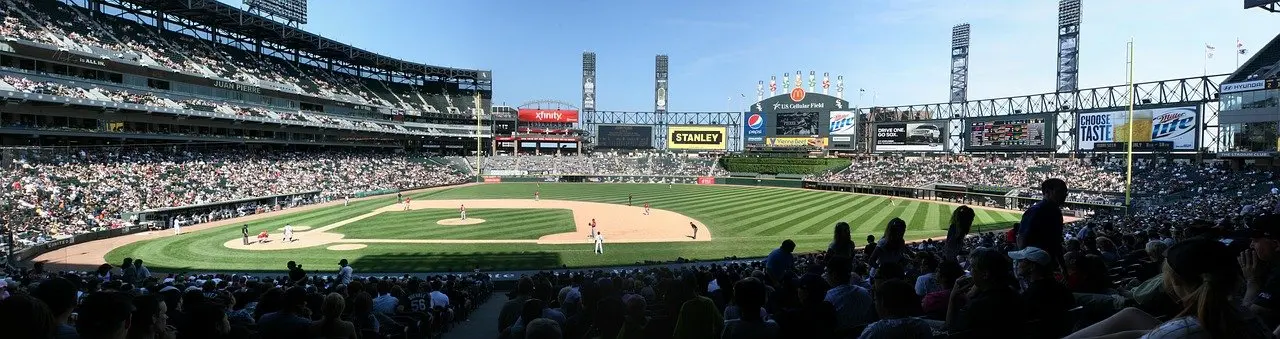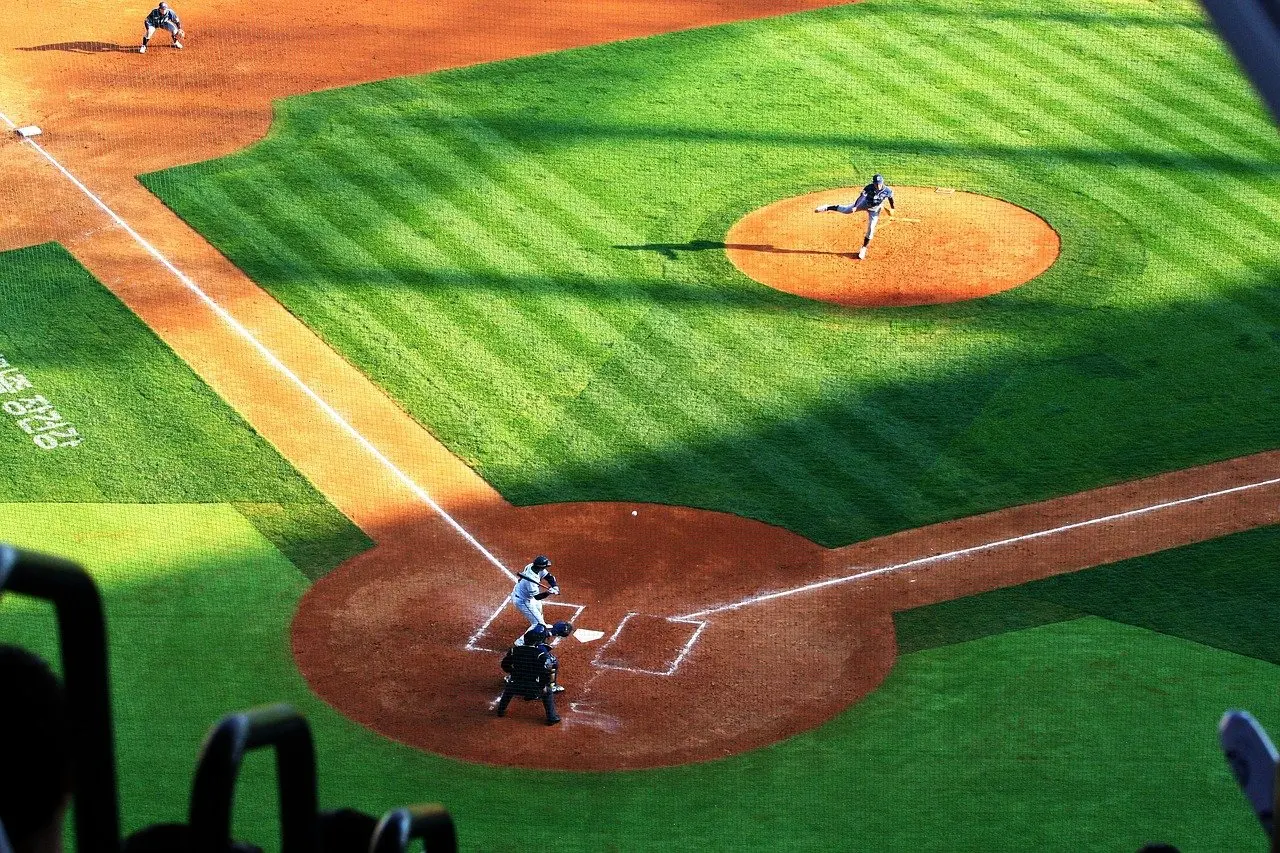
How does the MLB postseason work? Six clubs per league qualify, the two best division winners skip the Wild Card Series, and the winners of each later round meet in the World Series.
The decision tree below starts there and moves to seeding, home games, October rule changes and the stats and roster terms that game stories lean on. For the final round on its own, see how does the world series work.
Start here: pick the question you need answered
A postseason story is easier to read once the reader knows which of a few situations it describes. Each branch below points to the section that handles it.
- The team had a bye. It is one of the two best division winners in its league and skipped the opening round. Go to the section on what a bye is worth.
- The team is in a three-game opener. It is a wild card or a lower-ranked division winner. Go to the Wild Card Series section for how that round works and who hosts.
- The story mentions a seed number. Go to the qualification and seeding section to see how seeds one to six are assigned.
- The story mentions home-field advantage. Go to the home games section. The rule differs by round, and the World Series is decided differently from the rest.
- The story mentions a rule call, a runner or a clock. Go to the October rules section, which separates what changes in the postseason from what stays the same.
- The story is full of statistics or roster terms. Go to the stats and roster sections for the explainers that unpack WAR, ERA, OPS, scorekeeping and transaction language.
Readers who only want the format at a glance can jump to the overview table after the World Series section. Readers who follow games closely will get more from the sections on seeding and byes, because those two ideas explain most of the surprises in a bracket.
Who qualifies and how seeds are set
Each league sends six clubs to the tournament, according to CBS Sports. Those six are the three division winners and three wild card entries. With two leagues, that makes 12 postseason teams in total.
Seeds one to six
Per Up in the Rafters, division winners take the top three seeds, ordered by record. The three wild cards take seeds four through six. The seed number is therefore a shorthand for two things: whether a team won its division and how its record compares with the rest of its group.
This matters when reading a bracket. A team seeded fourth is not simply the next-best record. It is the best wild card, and it can have a better record than a division winner seeded below it. The seed list is a ranking within two groups, with division winners always placed ahead of wild cards.
Why the format looks the way it does
The current structure replaced an older, smaller field. Up in the Rafters notes that MLB introduced the 12-team format in 2022, up from 10 teams under the old system. Any comparison with earlier postseasons should account for that change. A bracket from before 2022 had fewer teams and a different opening round, so a team’s path to the World Series was not the same.
The practical reading rule is to check which season a statistic comes from. A claim such as a team being the first to do something in the postseason often depends on which format was in place.
The Wild Card Series: the three-game opener
The first round is a best-of-three series, and all games are played at the higher seed’s ballpark. Bleacher Report described it when the format began as a replacement for the single-game wild card showdowns that came before it.

That structure has two consequences for reading a story. First, the lower seed never gets a home game in this round, so the higher seed’s advantage is complete. Second, a best-of-three series is short enough that one bad start can end a season. Coverage of this round often turns on a single pitching matchup, because there is little time to recover from a loss.
Who plays in this round
The clubs involved are the teams that did not earn a bye: the lowest-ranked division winner and the three wild cards in each league. That follows from the seeding rules, since the two best division winners are the ones that skip the round. The matchups are set by seed, so the higher seed hosts the lower seed within the same league. If a story refers to a series between a division winner and a wild card, check the seeds before assuming the division winner is the favorite in any statistical sense. Seeding records what happened over the regular season and does not predict a short series.
The bye: what it is worth and what it is not
The two best division winners in each league skip the first round, as Up in the Rafters explains. They go straight to the Division Series, which gives them rest and a set rotation while the other teams play each other.
Wins needed for a title
A team with a bye needs 11 postseason wins to take the title, made up of three in the Division Series and four each in the League Championship Series and World Series. A team without a bye needs 13. The same source gives that total. The gap is the cost of the opening round, and it explains why teams treat the top two seeds as a real prize.
Does a bye guarantee anything?
It guarantees a place in the Division Series and nothing beyond it. Up in the Rafters reports that no team with a first-round bye has ever lost in the first round. That statement is accurate but narrow, because bye teams do not play a first round. The more useful figure is that bye teams won nine of 16 Division Series between 2022 and 2025.
The sensible judgement is that the bye is an advantage in scheduling and rest, not a promise of advancement. A story that treats a bye team as a near-certain winner of the Division Series is overreaching.
A current example
In the 2026 bracket described by the same source, the Milwaukee Brewers earned the National League’s top seed and a bye with a 103-59 regular-season record. That is a concrete case of the structure in action: the best record in the league translated into the shortest route to the title.
Division Series and League Championship Series
After the opening round, the field is set for the Division Series, where the bye teams join the Wild Card Series winners. The structure of home games in the middle rounds is fixed by seed and by round.
Division Series: 2-2-1
The Division Series uses a 2-2-1 pattern. The higher seed hosts the first two games and the fifth and final game, if necessary, according to Bleacher Report. Because the series is first to three wins, the lower seed’s best chance to take control is in the middle two games at the opponent’s park. A series that goes the distance finishes at the higher seed’s park, so seeding still pays off in the decisive game.
League Championship Series: 2-3-2
The League Championship Series is best-of-seven and follows a 2-3-2 pattern. The phrase higher remaining seed matters here. After the early rounds, the team with the better seed may be the lower-ranked on paper if upsets have rearranged the bracket, so the host is determined by the seeds still alive.
For a reader following a story, the pattern gives a quick way to judge the stakes of a game.
The World Series and home-field advantage
The World Series is the final round, and its home-field rule differs from the earlier rounds. The team with the best regular-season winning percentage, regardless of postseason seeding, hosts, per Bleacher Report. Seeding no longer decides it.
That detail catches readers out. A lower-seeded wild card that reaches the World Series against a higher-seeded division winner can still host the series if its regular-season record was better. The reverse also applies. It is a rule about regular-season record, not about bracket position.

Each team needs four wins in this round, the figure used in the title math above. For the round’s own mechanics in more depth, how does the world series work covers it as a separate guide.
Postseason format overview
The table compares the four rounds on the criteria that most often decide how a story reads: series length, who hosts and what a reader should keep in mind.
| Round | Series structure | Home games | Planning use |
|---|---|---|---|
| Wild Card Series | Best-of-3 | All games at the higher seed’s ballpark | Expect little margin for error. Treat a lower seed as having no home game at all. |
| Division Series | First to three wins, with a fifth game if needed | 2-2-1; higher seed hosts Games 1, 2 and 5 | The lower seed must take a game in the opponent’s park to force the decider. |
| League Championship Series | Best-of-7 | 2-3-2; higher remaining seed hosts Games 1, 2, 6 and 7 | Judge the stakes by the seeds still alive, not the original bracket. |
| World Series | First to four wins | Better regular-season winning percentage hosts | Check the regular-season record, not the seed, to find the home team. |
Series structure and home-game patterns come from Up in the Rafters and Bleacher Report.
October rules that differ from the regular season
The postseason is played under mostly the same rules as the regular season, with a few adjustments that change how late games unfold. Knowing which rules carry over helps explain stories about long games and tense finishes.
Extra innings in October
Extra innings in the postseason do not begin with a runner on second base. CBS Sports says teams will not be awarded a runner at second base to begin those frames. A tied game in October therefore starts each extra inning with a clean slate, which makes scoring harder and long games more likely to run. The regular-season version of the rule, and how it compares, is covered in the guide to the mlb extra innings rule.
The pitch clock stays
The same CBS Sports report notes that only one of the pitch clock and the automatic runner will be present in October. The pitch clock is the one that stays, and the automatic runner is the one that goes. For the details of timing and penalties, read the explainer on mlb pitch clock rules.
Strike zone and umpire calls
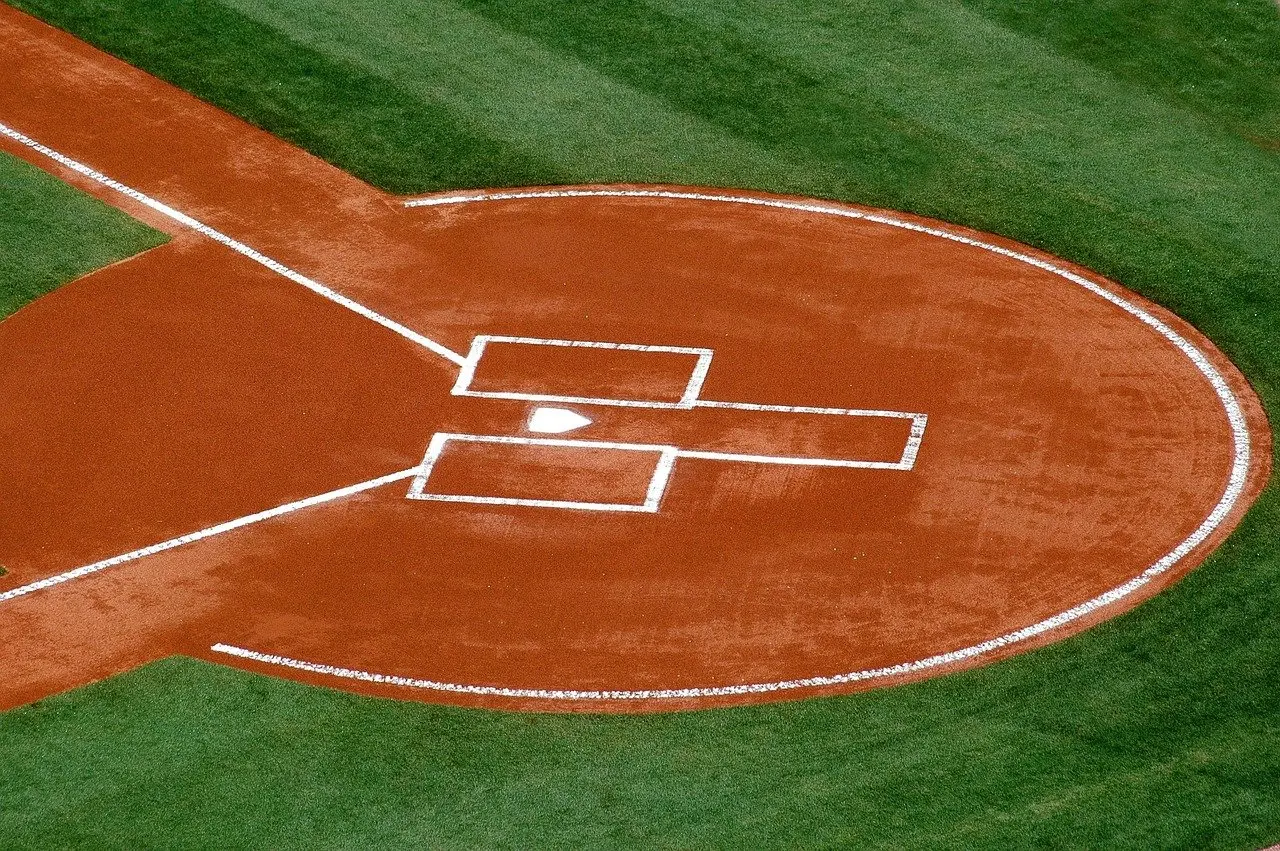
Balls and strikes are called behind home plate, and postseason stories often hinge on a single borderline call. The guide to what is the baseball strike zone explains what umpires are judging, which is the background a reader needs to follow an argument over a called third strike.
Fielding and pitching calls
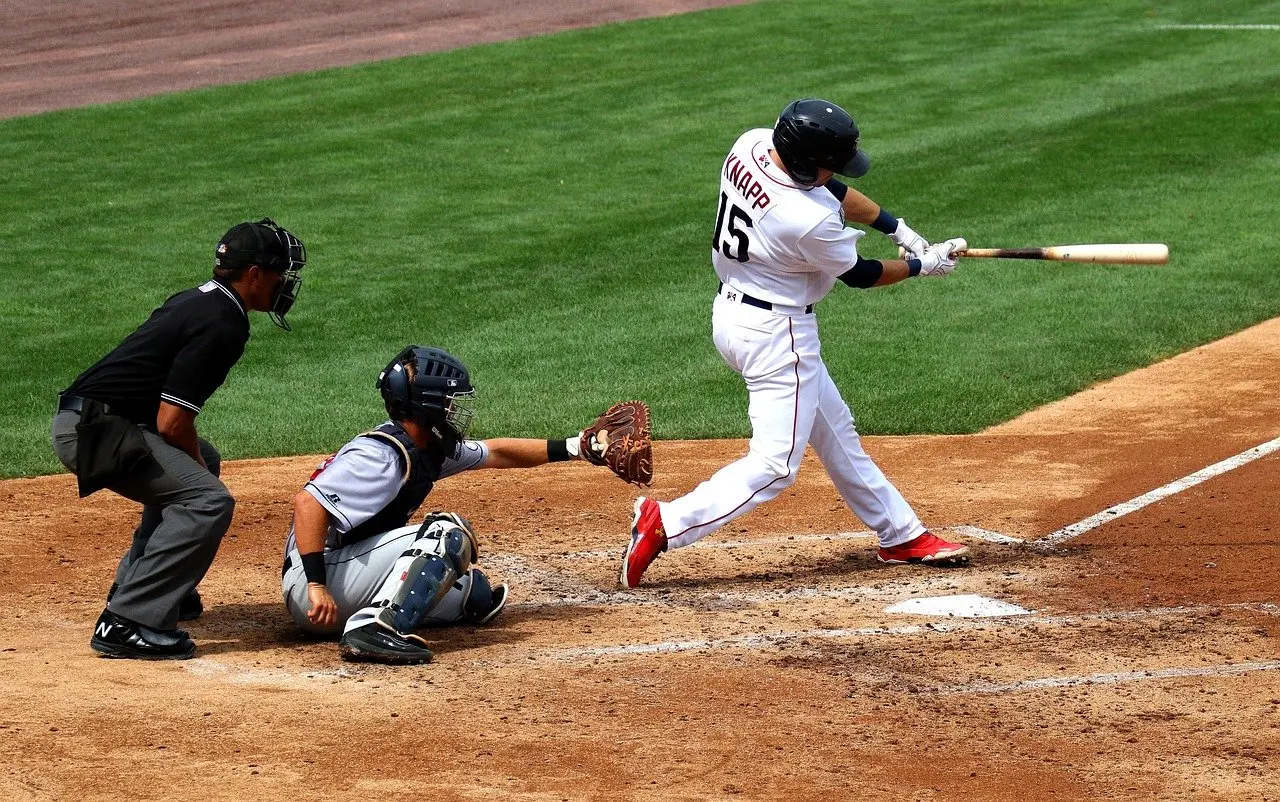
Two other calls regularly produce confusion in game stories. The first is a ruling on a pop-up with runners on base, explained in what is the infield fly rule. The second is a pitcher’s illegal motion with runners on, covered in what is a balk in baseball. Both can change which runner advances, so a reader who understands them can follow a dispute without waiting for the broadcast to explain.

Stats that appear in postseason coverage
Game stories lean on a short list of statistics to describe how a player or team is performing. Each has its own explainer, so this section points to the right one instead of restating the formulas.
Pitching and overall value
Starting pitchers and relievers are often described with a single figure. The guide on era meaning baseball shows how earned run average is built and what it leaves out. For a broader measure of a player’s total contribution, what is war in baseball explains wins above replacement, which stories use to compare players across positions.
Hitting
On the offensive side, one number often stands in for a hitter’s overall production. The explainer on what is ops in baseball breaks down how it is assembled, which helps when a story says a hitter is carrying a lineup through a series.
In a short series, hitting and pitching totals come from only a few games, so they say less than the same figures over a full season. A reader should treat postseason statistics as a snapshot and look to season-long numbers for a fuller picture.
Scorekeeping and milestones
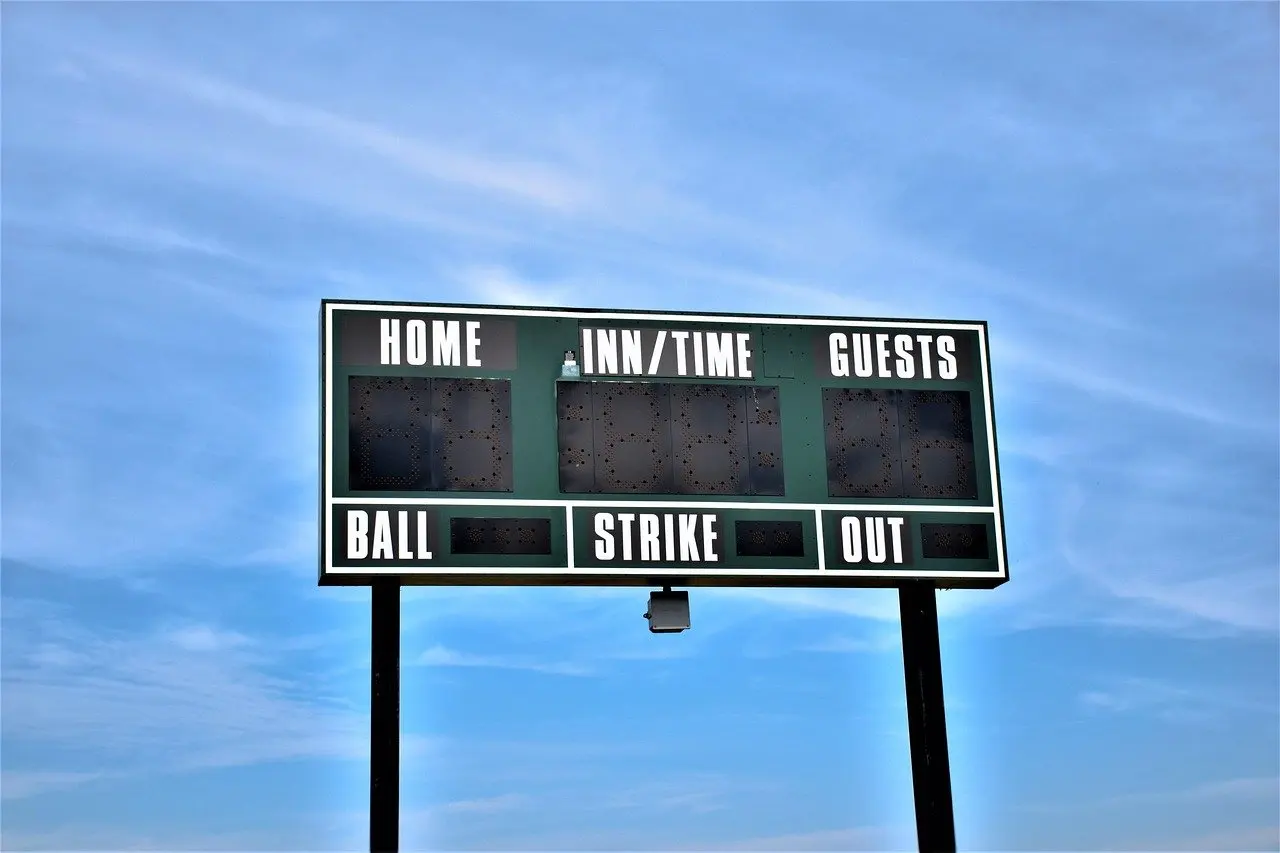
Box scores and scoreboards compress a game into innings, runs, balls, strikes and outs. Anyone who wants to record a game as it happens can follow how to keep score in baseball. Milestone language gets its own explainer in difference between no hitter and perfect game, which matters because the two terms are often confused in headlines.
Roster and payroll terms behind the headlines
Not every baseball story is about a game. Many are about how teams build and manage their rosters, and the vocabulary is separate from postseason structure. These terms belong in a news reader’s toolkit because they explain why a player appears on a different team or disappears from a roster.
- Trade deadline. The cutoff that shapes which rosters contenders carry into October is explained in what is the mlb trade deadline.
- Designation for assignment. A player removed from a roster spot is often described with this phrase. See what does designated for assignment mean in baseball for what the status means and what happens next.
- The draft. Teams add young talent through a yearly selection process, covered in how does the mlb draft work.
- Payroll limits. Spending thresholds that influence how clubs build contenders are covered in what is the mlb luxury tax.
These topics sit upstream of the bracket. A club’s postseason roster reflects deadline trades, waiver moves and payroll choices made months earlier, so a story about a surprise October lineup often begins with one of these terms.
How to read a postseason game story
A short routine makes most game stories clearer. It uses only the structure above and needs no statistics.
- Identify the round. The round tells you the series length and how many wins remain.
- Check the seeds. Seeds one to three are division winners, and four to six are wild cards. A team’s seed shows how it got in.
- Find the host. Use the round’s home-game pattern. In the World Series, use the regular-season record rather than the seed.
- Note whether extra innings were played. If so, remember that no runner starts on second base in October.
- Treat the numbers as a snapshot. Short-series statistics reflect only a few games.
This approach works for any team and any year because it relies on structure and not on a single season’s results. The one thing to confirm each year is the calendar, since dates change from season to season.
Frequently asked questions
Are tiebreaker games still played to decide the final postseason spots?
No. Bleacher Report reports that the format removed tiebreaker games between potential wild card teams at the end of the season, so ties are settled by criteria instead of an extra game.
When did the 12-team postseason begin?
MLB introduced the format in 2022, according to Up in the Rafters. It replaced an older system that had 10 teams.
Can a wild card outrank a division winner in the seeds?
No. Up in the Rafters, quoting MLB.com, states that the division winner takes precedence with regard to seeding, even if a wild card team has the better record.
When does the 2026 Wild Card Series run?
Up in the Rafters lists Sept. 29 to Oct. 1 for the 2026 Wild Card Series. That window opens the bracket for the teams without byes.