Football positions explained simply: each side puts 11 players on the field, the offense tries to move the ball, the defense tries to stop it, and a position’s name tells you where it lines up and what job it has.
Fans who follow the news but never played often get stuck on who does what before the snap. The sections below are ordered by the questions that come up while watching, and readers who want wider league context can start from questions such as how do nfl playoff seeds work in the football explainers hub.
Players on the field for each side
Each team has 11 players on the field at a time. Nike’s football positions guide puts it plainly: there are 11 players on the field for the offense, and the 11 players on the field for the defense want to stop them. Its Belgian edition adds that all eleven on a team have to do their jobs at all times, so a single missed assignment can break a play.
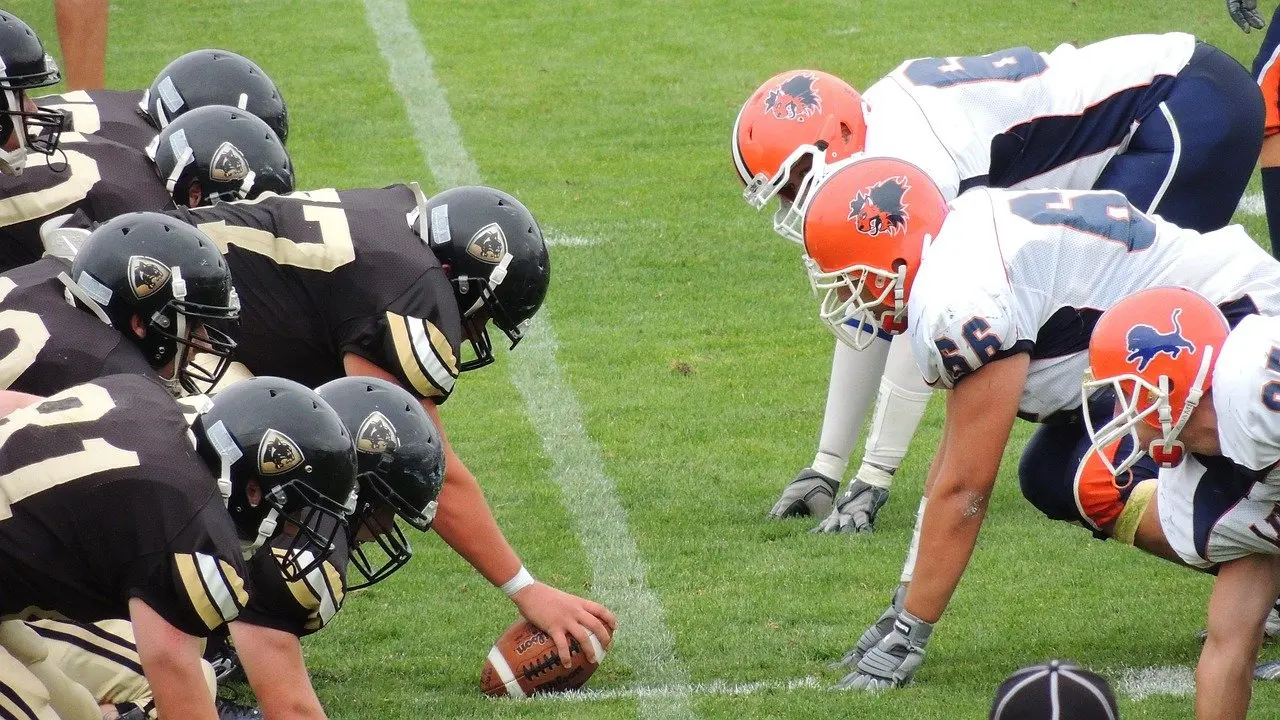
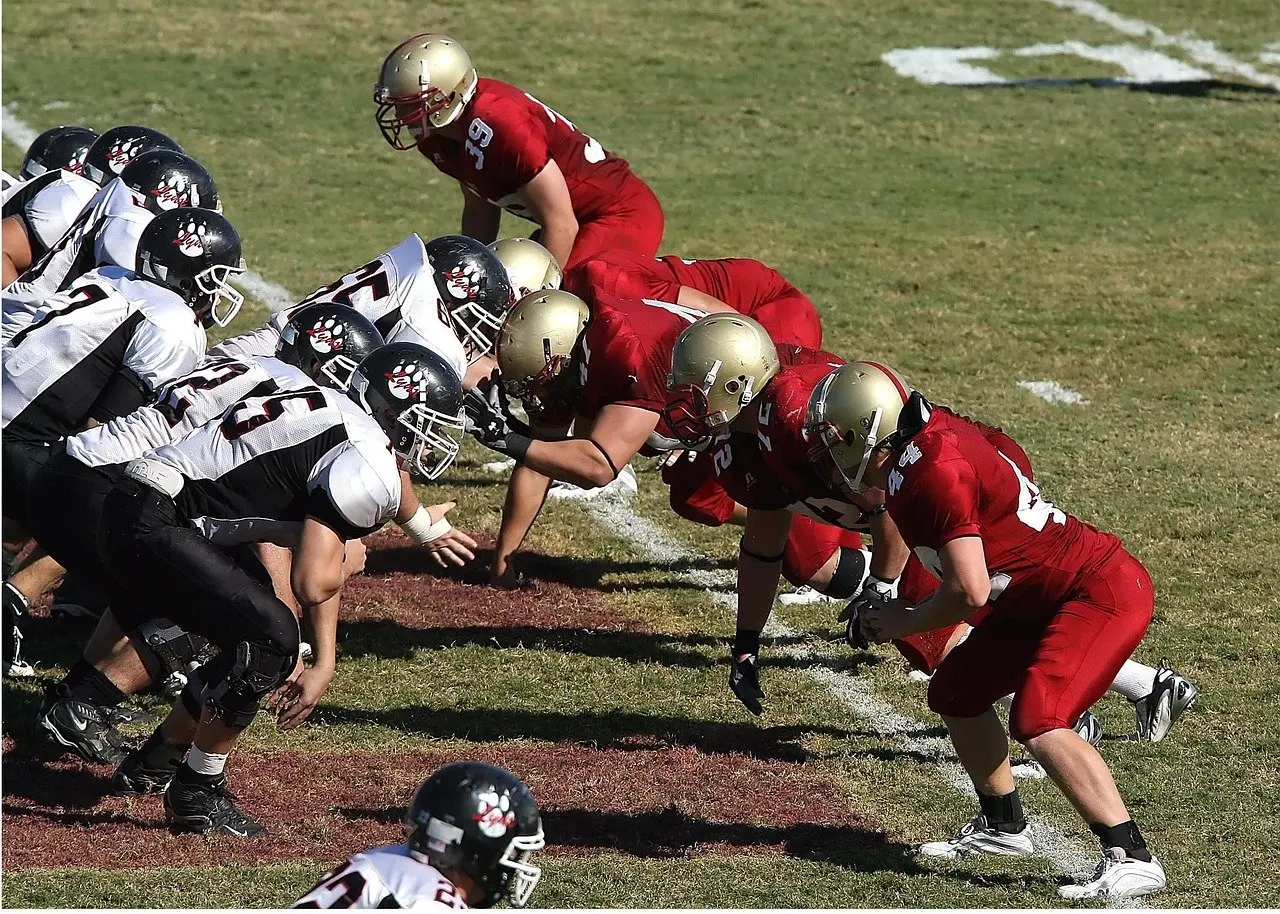
Two counts anchor everything else. The same guide says there must always be five offensive linemen, and its Belgian edition says a defense normally uses three or four defensive linemen. Everything else in a lineup flexes around those anchors, which is why the same 11-player side can look quite different from one play to the next.
Offensive skill positions: quarterback, running back, tight end and receivers
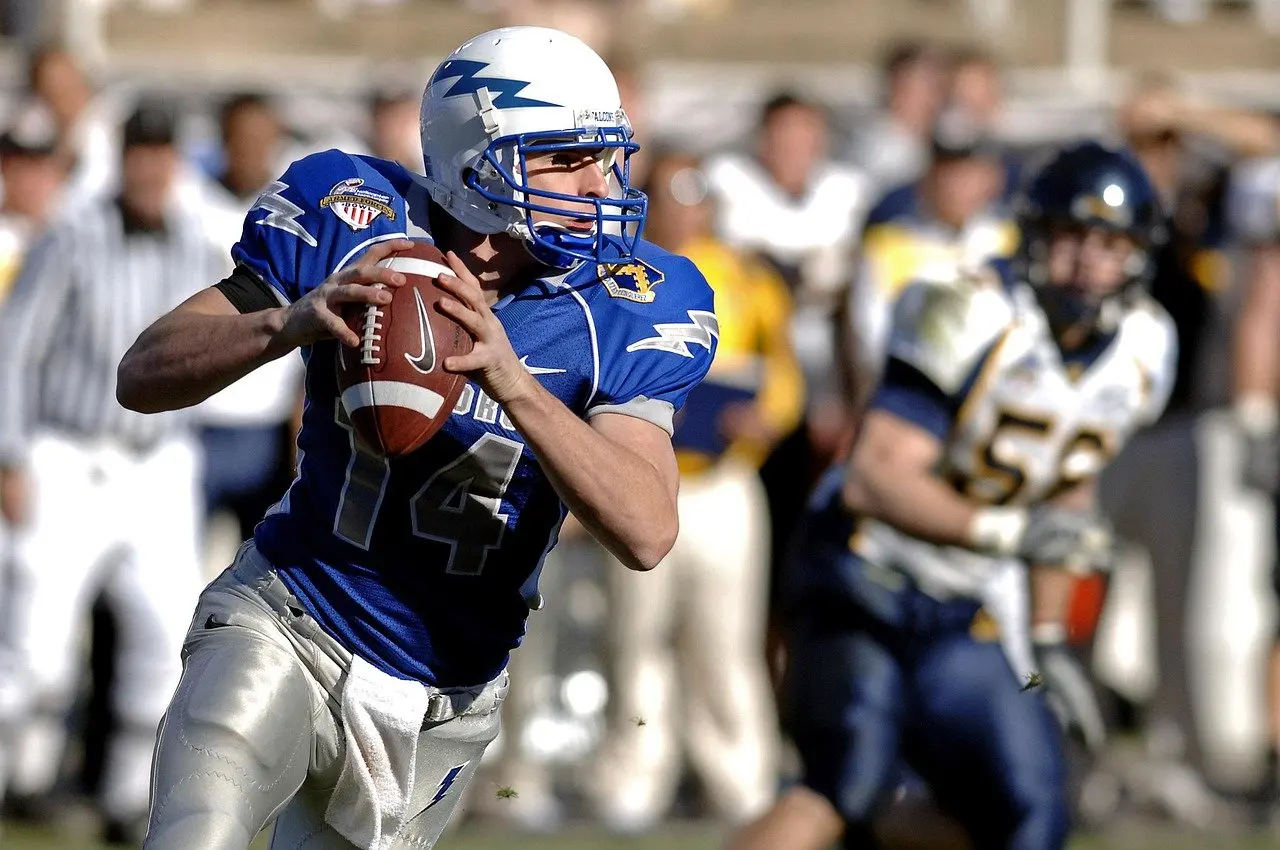
The quarterback is the offense’s decision-maker. According to Nike’s guide, he gets the ball from the center and controls the play. For a casual viewer, the simplest habit is to track the quarterback first and then see where the ball goes.
- Running back: the guide describes the running back’s primary job as taking the ball from the quarterback and running with it. Offenses usually have one running back on the field at a time.
- Tight end: this player usually lines up right next to the offensive line, so he sits at the edge of the blocking group rather than out wide.
- Wide receivers: they line up outside of the offensive line and the tight end, which spreads the defense across the width of the field.
These positions answer the broad question of what football positions do: some players carry or catch the ball, and others make that possible. The group that makes it possible is next.
What an offensive lineman does
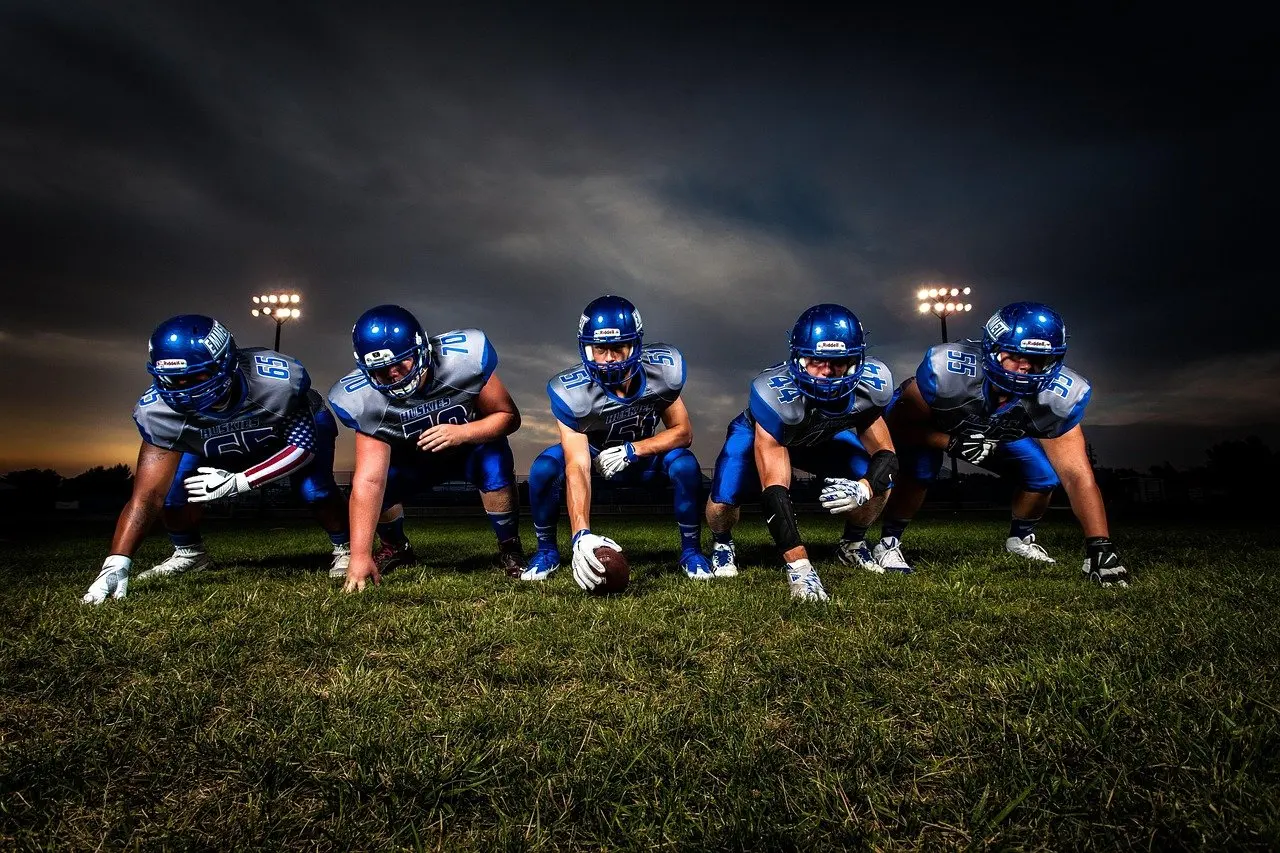
An offensive lineman blocks. Nike’s guide says linemen act as bulldozers, pushing the defense out of the way on a running play, and as protectors of the quarterback on passing plays. It also says the offensive line makes it possible for the running back to gain yards or the quarterback to throw a touchdown. If a runner finds space or a passer has time, the line is usually the reason.
The five positions
Viewed from the quarterback’s perspective, the five linemen are the left tackle, left guard, center, right guard and right tackle, as Nike’s guide lists them. Left and right follow the quarterback’s view, so they can look reversed on a broadcast shot from behind the defense.
Why the center stands apart
The center snaps the ball to start the play, either handing it or tossing it between his legs, so the center touches the ball on every play. The guide adds that the center is often the captain of the offensive line. When a game turns on protection, the center’s calls and the line’s cooperation are the part of the offense to watch.
Defensive positions: line, linebackers and defensive backs
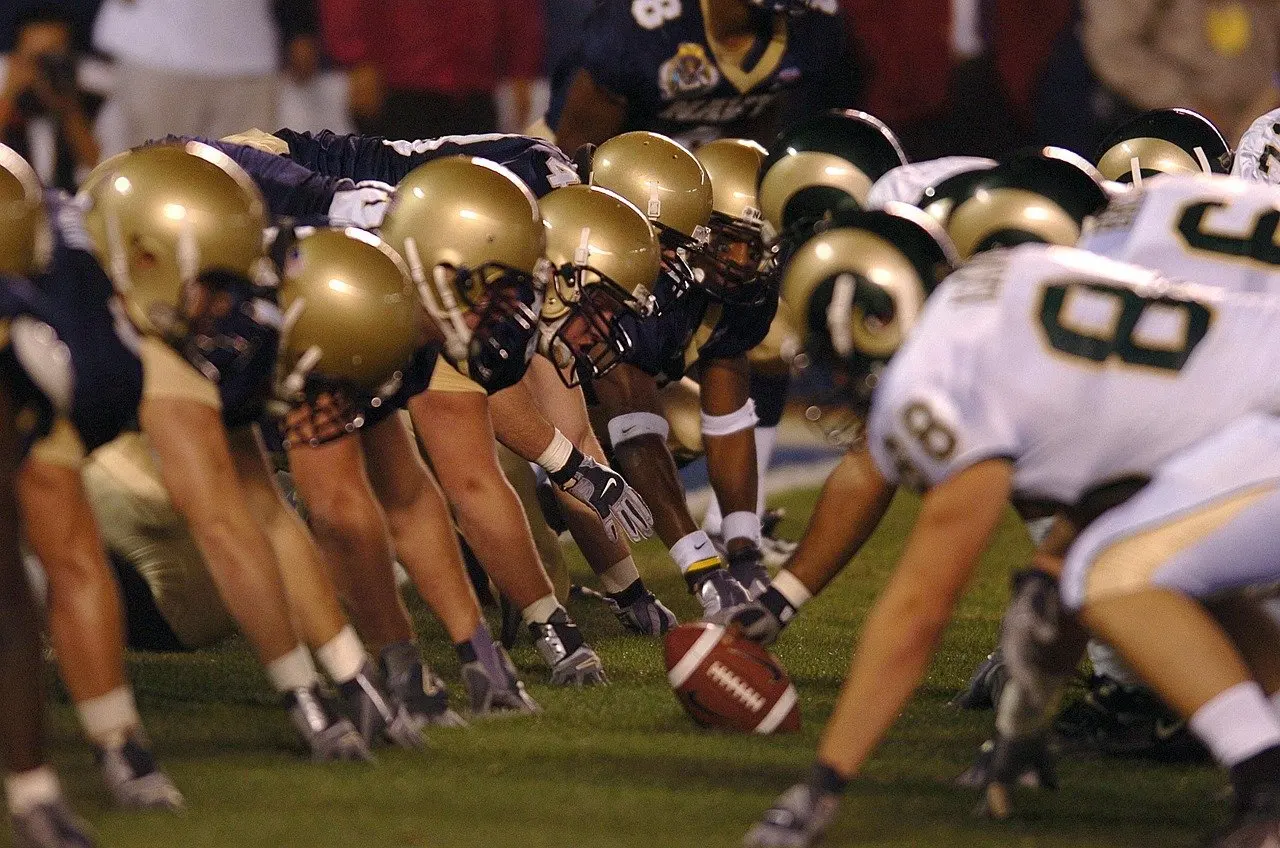
A defense is easiest to read from the front to the back. The defensive linemen start the play at the line of scrimmage, according to Nike’s guide. Next come the linebackers. A position guide from Silirecio describes their duties as rushing the passer, covering receivers and defending against the run. A linebacker can therefore change jobs from play to play, which makes the position hard to judge from a single snapshot.
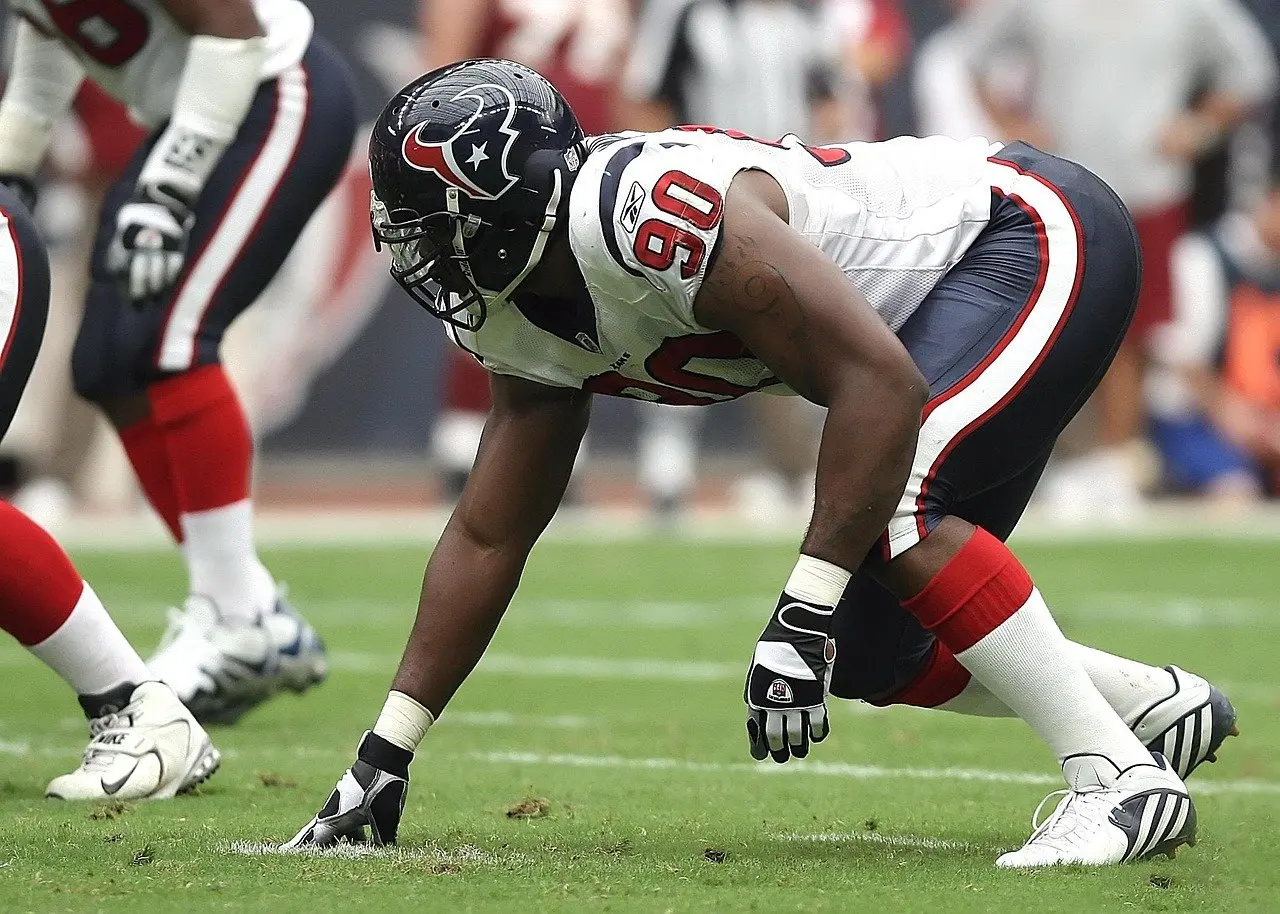
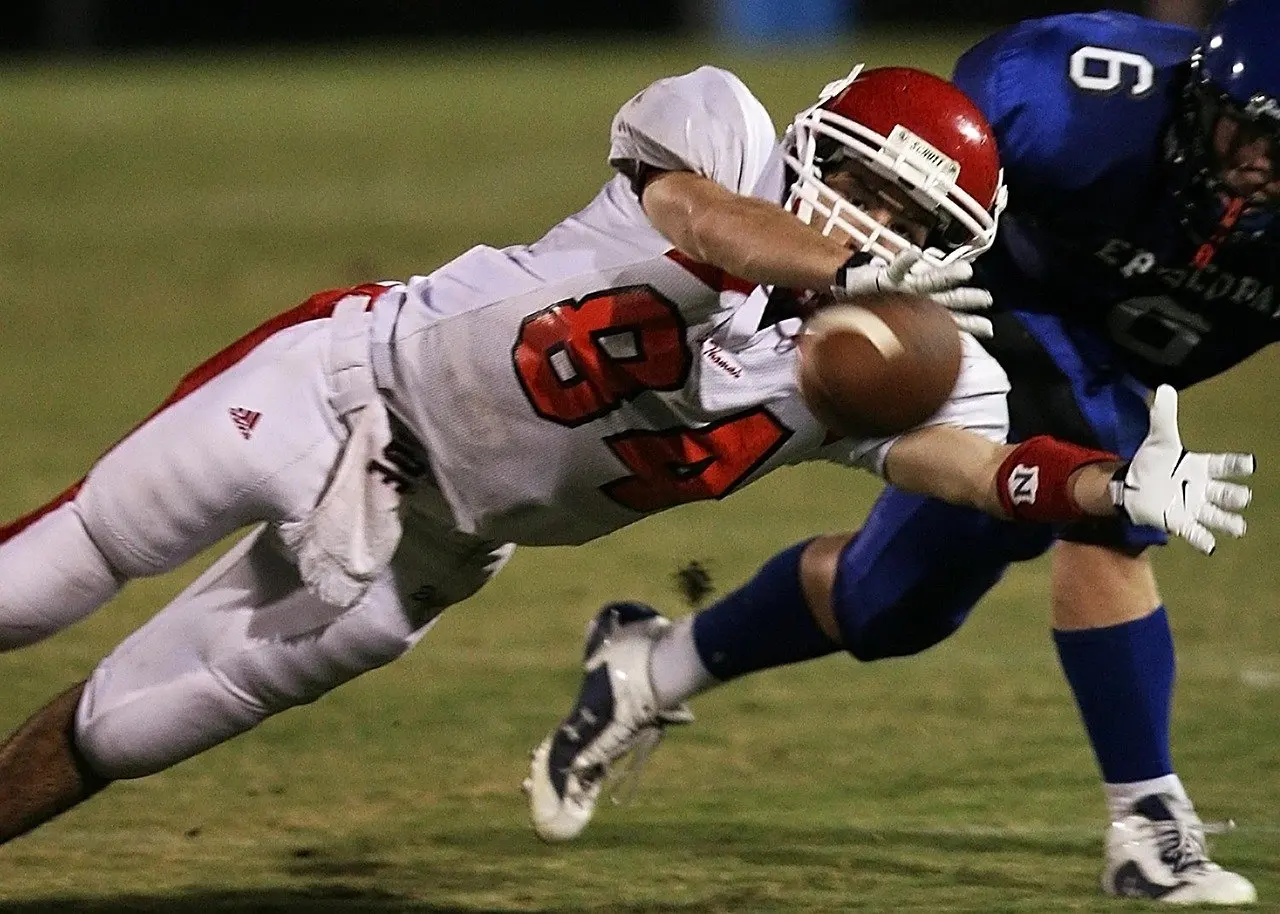
The defensive backs are the cornerbacks and safeties. The same guide describes cornerbacks as the players covering the wide receivers. It describes safeties as hanging the furthest back from the line. In practice, if a receiver is running a route, the cornerback is usually the defender closest to him, while the safety is the deepest defender in the picture.
Quick diagnostic: who is that player?
When a play confuses you, work out which unit the player belongs to by looking at his starting spot and what he does after the snap.
| Position | Main job | What to watch for |
|---|---|---|
| Quarterback | Takes the ball from the center and controls the play | The player the offense revolves around on most plays |
| Running back | Takes handoffs and runs with the ball | Usually one on the field at a time |
| Tight end | Lines up next to the offensive line | A player at the end of the line, not out wide |
| Wide receiver | Lines up outside the line and tight end | Players spread toward the sideline |
| Offensive line | Blocks for runners and protects the passer | Five players, with the center snapping the ball |
| Defensive line | Starts the play at the line of scrimmage | Normally three or four of them |
| Linebacker | Rushes the passer, covers receivers, defends the run | Jobs can change from one play to the next |
| Cornerback | Covers wide receivers | Defenders matched with receivers on passing plays |
| Safety | Lines up furthest back from the line | The deepest defenders in the formation |
The descriptions draw on Nike’s football positions guide and Silirecio’s guide to football positions.
4-3 and 3-4 defensive fronts
The difference between a 4-3 and a 3-4 defense begins with the defensive line. Nike’s Belgian guide says defenses normally use three or four defensive linemen, and the front is named by that count. A 4-3 front uses four linemen, and a 3-4 front uses three. Linebackers fill out the rest of the front, and because they can rush, cover and defend the run, the label tells you how a defense has chosen to distribute those jobs.
The 4-3 front
In a 4-3 look, four defensive linemen start at the line of scrimmage. For viewers, the identifying feature is the number of players with a hand down or set at the line when the ball is snapped.
The 3-4 front
In a 3-4 look, three defensive linemen start at the line. Linebackers carry more of the front’s work, so a viewer should look for linebackers near the line before the snap. Neither front is better in the abstract: each is a way of arranging the same defensive jobs, and the choice depends on the players a team has.
What is a nickel back?
A nickel back is the extra defensive back a defense brings in for a nickel package. In the Silirecio position guide, the defense brings in an extra defensive back, so it ends up with 5 defensive backs on the field. Since defensive backs are the players covering receivers, the extra body adds a defender to pass coverage.
The practical takeaway for viewers is that a nickel package changes the personnel, not the number of players.
Beyond offense and defense
Kicking plays use their own units and rules, which is why nfl kickoff rules are best read on their own. Positions also matter for league honors, and the explainer on how are pro bowl players selected covers that side of the story.
Frequently asked questions
| Question | Answer |
|---|---|
| Does the quarterback always throw the ball? | Not always. Nike’s guide says the quarterback is usually the only one to throw it. |
| How many running backs are usually on the field? | Offenses usually have one running back on the field at a time, according to the same guide. |
| Can offensive linemen handle the ball after the snap? | Usually not. The guide says the offensive line is not allowed to touch the ball again after the snap, with exceptions such as a tipped pass or fumble. |
| Who calls the plays on defense? | One position guide describes the middle linebacker as the person who calls the plays on the defensive side. |